
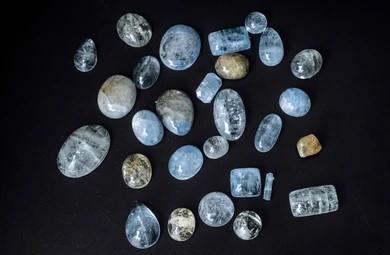
March borns have two birthstones attached to them; Aquamarine, the modern primary birthstone, and Bloodstone, the traditional alternative. One reflects the calm, clear blue of the ocean. The other carries deep green strength marked with dramatic red flecks. Both birthstones are known in history for protecting one's well-being.
In this guide, we will explore what the March birthstone is, the symbolic meaning behind aquamarine and bloodstone, jewelry ideas, buying tips, and fun fact march borns need to know about them.
Aquamarine

Aquamarine is the most widely recognized birthstone for March. Its name comes from the Latin aqua marina, meaning "water of the sea," which perfectly reflects its cool, ocean-like color.
Aquamarine appears in a range of blue tones, including pale sky blue, light ocean blue, greenish-blue, and deep blue. Generally, the deeper and more vivid the blue, the more valuable the stone. Unlike darker gemstones, aquamarine is known for its soft, transparent clarity. Its clean, glass-like appearance gives it a refined and elegant look that works beautifully in jewelry.
Aquamarine belongs to the beryl family, the same mineral group as emerald and morganite, and ranks 7.5 to 8 on the Mohs hardness scale, making it durable enough for everyday wear. It resists scratching better than many softer gemstones.
Because of its durability and clarity, it's ideal for jewelry like rings, necklaces, earrings, or bracelets. Its combination of strength and beauty makes it a practical yet elegant gemstone choice.
Aquamarine Meaning & Symbolism
For centuries, aquamarine has been associated with water, calmness, and protection. Historically, it was believed to calm stormy seas and protect sailors during voyages. It is also known to bring courage and mental clarity, thereby promoting emotional balance.
In ancient times, aquamarine was highly valued, sometimes almost as much as emerald. It was considered a gem of purity and was even used in engagement rings. It was also given as an anniversary gift to symbolize constancy, happiness, and harmony in marriage. Ancient sailors carried aquamarine as a protective talisman, believing it would keep them safe at sea.
People once believed aquamarine could help defeat fear and regulate emotions. It became popular among scholars and individuals engaged in deep intellectual work because it was thought to stimulate intellect, imagination, and intuition. In modern symbolism, aquamarine represents peace, clear communication, serenity, and confidence. It's often associated with calm thinking, emotional control, and honest expression.
Aquamarine is mined in several parts of the world. Major sources include Brazil, Pakistan, Mozambique, Madagascar, Kenya, and Zambia. Brazil is particularly known for producing some of the finest deep-blue aquamarines.
In the United States, aquamarine is found in Mount Antero, Colorado, and is the state gem of Colorado, California, Riverside, and San Diego counties. Additional deposits have been discovered in China, Myanmar, Russia, and Ukraine.
Aquamarine remains one of the most beloved blue gemstones in the world, valued not only for its ocean-inspired beauty but also for its long history of symbolism, protection, and emotional clarity.
Bloodstone: The Traditional March Birthstone

Bloodstone is the traditional birthstone alongside aquamarine. Historically, it was believed to promote strong physical and mental health, as well as courage, vitality, and wisdom.
Bloodstone, also known as heliotrope, is a variety of chalcedony (cryptocrystalline quartz). It typically appears as a dark green stone with distinctive red inclusions caused by iron oxides, especially hematite. These red specks resemble drops of blood, which is how the gemstone earned its name.
The alternate name heliotrope comes from the ancient Greek meaning "to turn to the sun." In ancient times, people believed that placing bloodstone in water could make the sun appear red. Some traditions also associated the red markings with religious symbolism, representing the blood of Christ.
Symbolism and Historical Beliefs
Bloodstone has long been associated with protection and strength. It was believed to:
- Assure good physical and mental health
- Increase strength and endurance
- Preserve youth and vitality
- Provide protection from evil
One fascinating historical detail is that both the peoples of the Arabian Peninsula and certain North American First Nations independently carved bloodstones into heart shapes. These were worn or kept as protection against the evil eye.
In ancient times, very few households were considered too poor to own a bloodstone. It was believed to protect families from harm, and its powers were thought to double if it was worn by someone whose birth month matched the stone.
Even today, bloodstone is often regarded as a symbol of strength and resilience. It is sometimes favored by athletes or individuals seeking stamina and determination. In parts of India, fine bloodstone has historically been crushed into powder and used in traditional practices, including as an aphrodisiac.
Although bloodstone does not have the bright, transparent beauty of aquamarine, it is valued for its bold, earthy appearance and deep symbolic meaning.
Appearance and Use in Jewelry
Bloodstone is generally semi-translucent to opaque. Because of its rich green background and red flecks, it is most commonly cut as a cabochon (a smooth, polished dome shape) to showcase its unique color pattern. However, some striking pieces may be faceted.
Its durability makes it suitable for rings, pendants, and bracelets, especially for those who appreciate gemstones with historical depth and symbolic significance.
While aquamarine captures the calm of the sea, bloodstone represents strength, endurance, and protection, giving March-born individuals two very different yet meaningful birthstone options.
Read More: January Birthstone: Garnet Meaning, Healing Properties & Where to Find It
How to Care for March Birthstones
March has two beautiful birthstones, aquamarine and bloodstone. While both are durable enough for jewelry, they require slightly different care routines to maintain their appearance and longevity.
Aquamarine Care Tips
Aquamarine is relatively hard (7.5--8 on the Mohs scale), making it suitable for everyday wear. Still, proper care keeps it looking clear and brilliant.
- Clean with warm soapy water: Use mild soap and lukewarm water to gently remove dirt and oils.
- Use a soft brush: A soft toothbrush works well for cleaning around settings and small crevices.
- Avoid harsh chemicals: Household cleaners, bleach, and strong detergents can damage both the gemstone and its setting.
- Store separately to prevent scratches: Although durable, aquamarine can scratch softer stones, and harder gems can scratch it.
- Ultrasonic cleaners are generally safe: However, avoid ultrasonic cleaning for heat-treated or heavily included stones.
If you care for it properly, aquamarine could maintain its clarity and ocean-blue brilliance for decades.
Bloodstone Care Tips
Bloodstone is slightly softer than aquamarine and typically ranges around 6.5--7 on the Mohs scale. It benefits from a more gentle approach.
- Clean with mild soap and water: Use lukewarm water and gentle soap to clean the surface.
- Avoid prolonged water exposure: Extended soaking may dull the polish over time.
- Store in a soft pouch: Keep bloodstone separate from harder gemstones to avoid surface scratches.
Because bloodstone is a bit softer and often cut as cabochons, it's generally better suited for occasional wear rather than heavy daily use.
Read More: Best Gemstones for Jewelry and How to Identify Them | RockHounding.Org
Fun Facts About the March Birthstone
Both aquamarine and bloodstone carry some incredible history and trivia. Here are some fun facts to know:
- Aquamarine was believed to calm ocean waves. Ancient sailors carried it as a talisman, trusting it to protect them from storms and sea dangers.
- The largest aquamarine ever discovered weighed over 240 pounds. Massive crystals have been found in Brazil, showcasing just how large this beryl variety can grow.
- Sailors once believed aquamarine offered protection from sea creatures, including sharks.
- In 1912, aquamarine was officially designated as the modern March birthstone when the American National Retail Jewelers Association standardized birthstones.
- Bloodstone was once ground into powder for medicinal use. In ancient traditions, it was believed to promote health, vitality, and strength.
- Aquamarine is popular among celebrities. Jessica Biel received an aquamarine engagement ring from Justin Timberlake. Meghan Markle famously wore Princess Diana's aquamarine ring at her wedding reception with Prince Harry. Charlize Theron has worn marquise-cut aquamarine earrings at the Golden Globes, and Karlie Kloss has showcased aquamarine drop earrings at the Cannes Film Festival.
- Bloodstone was carved into heart shapes for protection. Interestingly, both the people of the Arabian Peninsula and certain North American First Nations independently shaped bloodstone into hearts to guard against the evil eye.
- Bloodstone was considered a household protector. In ancient times, even modest families often kept a bloodstone in their home for protection. It was believed that the stone's powers were even stronger if it was worn by someone whose birth month matched the gem.
- Aquamarine is the gemstone for the 19th wedding anniversary. Its calm blue color symbolizes clarity, harmony, and lasting love.
Whether you're drawn to aquamarine's ocean-blue elegance or bloodstone's bold, earthy symbolism, March birthstones are rich in both beauty and history.
Conclusion
Both March birthstones are symbolic. Aquamarine carries the calm clarity of ocean waters and the promise of new beginnings. Bloodstone holds the strength and endurance of ancient warriors.
Whether you prefer the soft blue elegance of aquamarine or the bold intensity of bloodstone, March birthstones offer both beauty and meaning.
If you're shopping for a March birthday gift, choosing a birthstone isn't just about jewelry; it's about symbolism, history, and personal connection.
Read More: February Birthstone: Amethyst Meaning, History, Properties, and Where to Find It
Frequently Asked Questions
March actually has two recognized birthstones. Aquamarine is the modern birthstone, officially standardized in 1912, while bloodstone is the traditional March birthstone with ancient historical roots.
The red flecks in bloodstone are caused by iron oxide inclusions, primarily hematite. These inclusions give the stone its distinctive "blood-like" appearance and its name.
Aquamarine is associated with calmness, clarity, courage, and emotional balance. Bloodstone symbolizes strength, vitality, protection, and resilience. Together, they represent both serenity and inner power.
Absolutely. Both aquamarine and bloodstone are suitable for men. Aquamarine's clean blue tone works well in minimalist or modern settings, while bloodstone's deep green with red flecks is especially popular in bold, masculine designs such as signet rings and cufflinks.
The rarest and most valuable aquamarines display a deep, saturated blue color without noticeable green undertones. Stones with vivid color and high clarity typically command the highest prices.
Bloodstone is generally more affordable than aquamarine, but its value can increase depending on the richness of its green color, the intensity and distribution of red inclusions, and the overall polish and craftsmanship of the piece.
Yes. Aquamarine ranks 7.5--8 on the Mohs hardness scale, making it durable enough for daily wear in rings, earrings, and pendants when properly cared for.